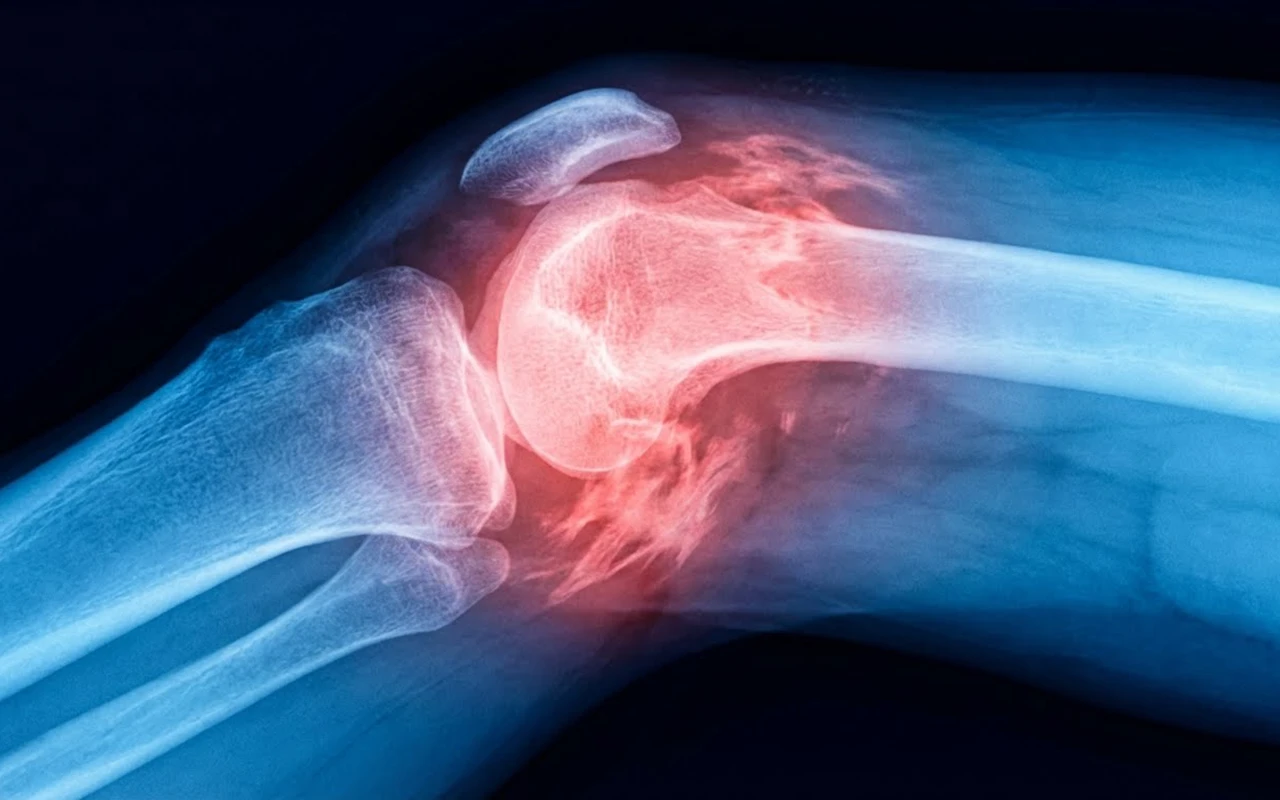
If you lift weights, run, or are just over the age of 35, you probably have "that one injury." The rotator cuff that clicks, the knee that aches when it rains, or the tennis elbow that flares up every bench press session.
Doctors usually prescribe rest and Ibuprofen. But for serious athletes and researchers, waiting 6 months for a tendon to heal isn't an option. Enter BPC-157 (Body Protection Compound), the peptide that is quietly revolutionizing injury recovery.
What Actually Is BPC-157?
BPC-157 is a pentadecapeptide (a chain of 15 amino acids) derived from a protective protein found in human gastric juice. In plain English? It’s a synthetic version of the chemical your body uses to heal your gut lining.
However, researchers discovered that when injected systemically, its healing properties aren't limited to the stomach. It accelerates the healing of:
- Tendons and Ligaments (Rotator cuffs, Achilles)
- Muscle Tears
- Bone fractures
- Gut inflammation (IBS/Crohn's issues)
The Science: How It Works
BPC-157 works primarily through Angiogenesis. This is the formation of new blood vessels. Tendons and ligaments are notorious for healing slowly because they have poor blood supply. BPC-157 essentially signals the body to build a new road network of blood vessels directly to the injury site, allowing nutrients to arrive and repair the damage at a vastly accelerated rate.
Dosage & Protocols (Research Purposes)
Most successful UK research protocols follow a standard dosing schedule to maintain active levels of the peptide in the system. BPC-157 has a short half-life (approx 4-6 hours), so frequency matters.
Standard Protocol:
- Daily Total: 500mcg (micrograms)
- Frequency: Split into two doses of 250mcg (Morning and Night).
- Duration: Typically 4 to 6 weeks for soft tissue repair.
How to Mix (Reconstitute) BPC-157
Peptides arrive as a lyophilized (freeze-dried) white powder. You cannot inject the powder. You must mix it with Bacteriostatic Water (BAC water).
- Take a 5mg vial of BPC-157.
- Inject 2ml of Bacteriostatic Water into the vial.
- Wait for the powder to dissolve (do not shake it vigorously, peptides are fragile).
- The Math: With 2ml of water in a 5mg vial, every 10 units (0.1ml) on an insulin syringe equals 250mcg.
⚠️ The "Bunk Gear" Warning
Here is the ugly truth about the UK peptide market: Most of it is underdosed.
Because BPC-157 is popular, many "Instagram Dealers" buy cheap filler from China and slap a label on it. If your peptide isn't 99% purity, you are injecting unknown byproducts into your body.
Research Tip: Never buy from a vendor that uses generic "stock photos." Always demand to see a dated HPLC certificate (purity test) for the current batch before you purchase. If they can't provide it, walk away.
Side Effects & Safety
BPC-157 is widely regarded as one of the safest research peptides available. Since it is derived from a natural gastric protein, allergic reactions are extremely rare. The most reported side effect is mild nausea if taken immediately after eating, though this is uncommon.
The Verdict
If you are stuck in a loop of "Rest, Train, Injure, Repeat," BPC-157 offers a mechanism to break the cycle. It is not magic—it is biology. By increasing blood flow to connective tissue, you allow the body to do what it is supposed to do: Heal.
Disclaimer: This article is for informational and educational purposes only. BPC-157 is a research chemical and not approved for human consumption. Always follow local laws and regulations.